Disclaimer: This site is an independent educational resource and is not affiliated with, endorsed by, or operated by the official my529 plan of Utah or any government entity. The term ‘my529’ is used generically to refer to personal 529 education savings accounts.
The term my529 is often used as a simplified reference point when explaining how structured education planning models are organized in the United States. In a general analytical context, my529 can represent a standardized approach to understanding how 529 plans work at a structural level. Rather than focusing on operational details, this overview examines how information is arranged, how categories are defined, and how a 529 account explained framework can be interpreted through systemized organization of educational planning concepts.
My529 and the foundational structure of 529 plans
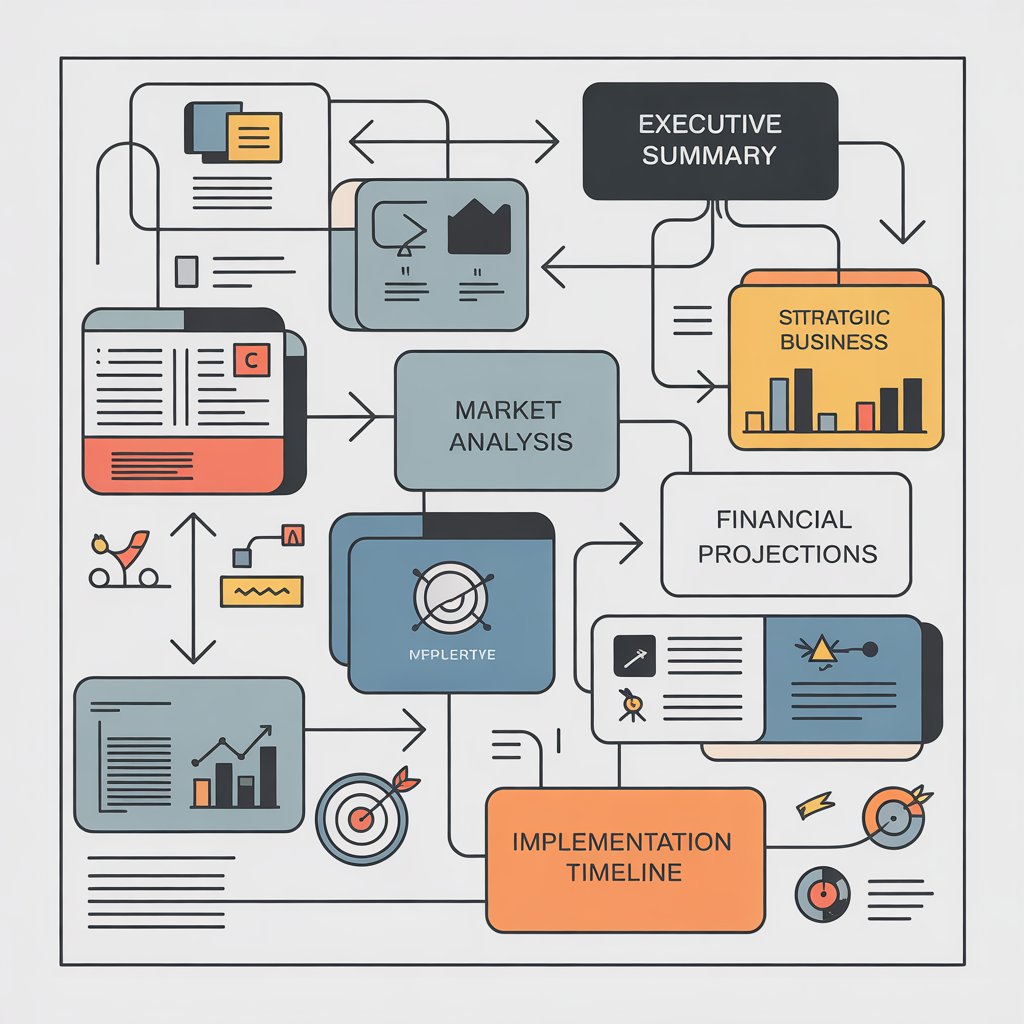
A conceptual model such as my529 helps illustrate how 529 plans work by breaking down their structure into clearly defined informational components. These components reflect a consistent organizational approach.
Key structural elements include:
- Segmented categories representing different aspects of an education plan
- Layered organization of general and detailed information
- Defined relationships between sections
- Standardized classification of plan-related data
This structural clarity supports a consistent understanding of how information is presented.
Understanding how 529 plans work through my529 models
Within a my529-style framework, how 529 plans work can be analyzed through logical grouping and categorization. The emphasis is placed on clarity of structure rather than usage.
Important conceptual features include:
- Hierarchical arrangement of plan elements
- Logical sequencing of informational sections
- Clear separation between categories
- Consistent terminology across all components
These features allow the structure of a 529 account explained model to remain stable across different interpretations.
My529 and classification of education plan information
Another important aspect of my529 as a reference model is its approach to classification. Information is organized in a way that ensures consistency across the entire framework.
Typical classification patterns include:
- Core plan descriptions separated from supporting details
- Grouping of related informational topics
- Consistent structure across multiple sections
- Predictable arrangement of content elements
This classification reinforces clarity in how 529 plans work.
Conclusion
The concept of my529 provides a structured way to understand how 529 plans work by focusing on organization, classification, and consistency. As a neutral framework, it supports an analytical view of how a 529 account explained model is arranged within a digital information environment.